

Technology for Good
Justice systems rely on daily decisions made by staff, yet outdated tools limit effectiveness and human connection. Investing in people-centered technology improves decision-making, strengthens relationships, and supports fairer, more effective outcomes.
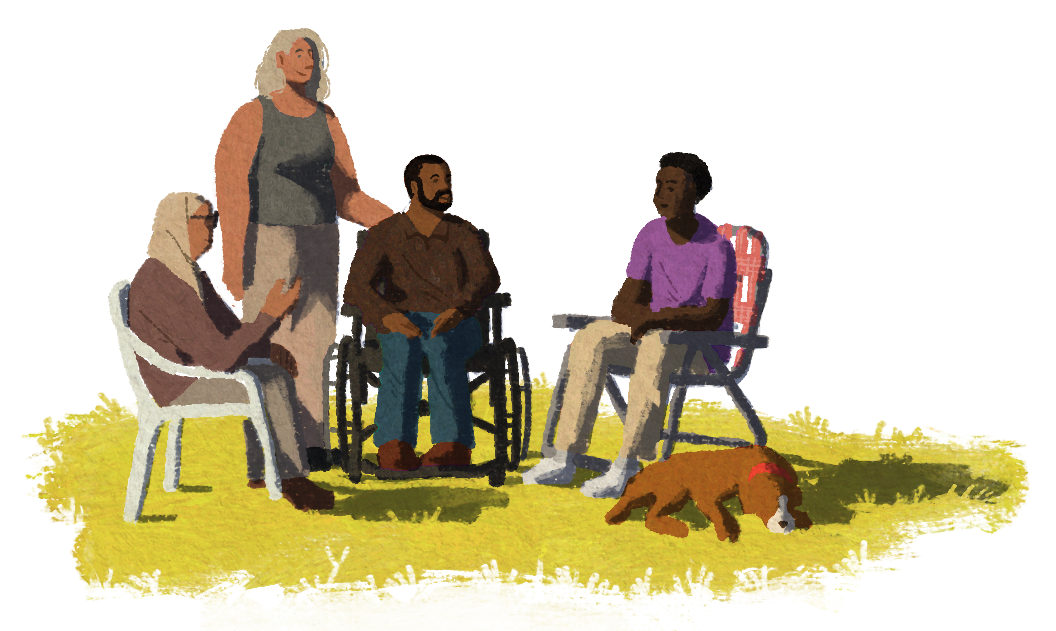
Why We Must Invest in Technology for Good
Across policing, courts, jails, prisons, and community supervision, many justice agencies still rely on paper-based processes or outdated technology that slows decision-making, increases administrative burden, and limits meaningful human connection. These systems often prioritize compliance and documentation over understanding, coaching, and trust, leaving staff overwhelmed and individuals feeling unseen.
At the same time, justice professionals are being asked to make complex, high-stakes decisions in real time, often with incomplete information, limited support, and growing expectations around equity, trauma-informed practice, and public accountability. Without modern tools, staff are forced to choose between efficiency and effectiveness, paperwork and people, burnout and care.
What We Do
We work alongside technology partners, justice agencies, and frontline staff to design and implement tools that strengthen human judgment and relationships across policing, courts, custody, and community supervision. his allows staff to spend less time on paperwork—and more time with people. Our focus is on technology that supports people navigating the justice system while reducing administrative burden and supporting professional judgment—helping staff ask better questions, receive real-time decision guidance, and document work more efficiently so time and attention can be spent where it matters most: with people.
We also prioritize staff wellness and sustainability. Justice work is demanding, and stress, fatigue, and burnout shape decision-making and interactions. We support technology that allows staff to check in with themselves, receive real-time feedback on tone and communication, and recognize patterns of overload—offering immediate strategies and longer-term insights that support healthier practice. Across all settings, our goal is to ensure technology acts as a bridge, not a barrier, supporting trust, fairness, and better outcomes for both communities and the professionals who serve them.
Resources
Community safety is
Community safety is
Technology that supports human judgment
Community safety is
More time with people—not paperwork
Community safety is
AI that strengthens professional expertise
Community safety is
Better decisions under pressure
Community safety is
Technology that supports human judgment
More time with people—not paperwork
AI that strengthens professional expertise
Better decisions under pressure